Natural supplement bottle on a wet slate slab in early morning light

Catalog · Formats · Daily use

Natural Capsules and Vitamins for Men

This page lists the categories of natural supplements for men that PriaAlam covers. You will not find prices or a checkout here. You will find format, typical ingredients, and the daily routine each type fits, so you can compare before you look for a seller.

What this catalog covers

Eight categories, read in one scroll

How to read this list

Each category below explains the format you are buying, what usually sits inside it, and which part of a day it belongs to. Nothing here recommends one brand over another. The point is to give you the vocabulary you need before a marketplace page starts using words of its own.

If you already know which format you want, jump straight to it. If you are starting from zero, read the multivitamin entry first — it is the shortest path to understanding how the other seven differ.

The four everyday formats

Multivitamin and mineral formulas

These are the broadest category, usually combining vitamin D, zinc, magnesium, B vitamins, and vitamin C in one capsule or tablet. They suit men whose meals repeat and whose food variety is thin. Read the label for the actual amounts per serving, not just the list of names. A long ingredient list with tiny amounts is not the same as a shorter list with meaningful figures. Compare two or three formulas side by side before deciding.

What to open first: the supplement facts panel, then the allergen line, then the storage note on the back.

Single-nutrient capsules

Sometimes the simpler choice is one nutrient on its own. Vitamin D, zinc, and magnesium are common examples. Single-nutrient products make it easier to adjust one input without changing everything else, and they usually cost less per unit. The trade-off is the number of capsules in your day. If you already take two or three items, a combined formula may fit better simply because you will actually finish it.

A practical rule: count the servings you can honestly take before you buy the second bottle.

Vitamin D products

Vitamin D appears in men's vitamin supplements more than almost anything else, largely because indoor work limits sun exposure for many people. It is sold as drops, capsules, and tablets, with amounts per serving varying widely. Check the unit on the label, since different products use different measurements. If you eat fatty fish regularly or spend real time outdoors, your situation may differ from someone at a desk from morning to evening.

Drops suit people who dislike swallowing tablets; capsules suit people who want a fixed, countable serving.

Mineral blends for active men

Mineral blends usually center on magnesium, zinc, and sometimes selenium or chromium. Active men often choose these alongside a training routine, and the format is normally a capsule taken with a meal. Magnesium appears in several forms, and labels state which one is used. The form affects how the product sits in the routine and how the serving is described. Read that line carefully; it is one of the few details that genuinely separates products in this group.

Compare by the named mineral form, not by the front-of-pack claim or the size of the bottle.

Three supplement bottles lined up on a concrete bench beside a seated man

Most men's vitamin supplements in this catalog end up as two bottles on a bench, not one. Plan the shelf before you plan the brand.

Formats that sit beside a routine

B vitamin complexes

B vitamins, including B6, B12, and folate, are grouped in complexes sold for daily use. They appear in energy and endurance supplements, which is where the naming gets loose. B vitamins have normal roles in the body, and food sources include eggs, meat, leafy greens, and fortified grains. A complex is usually taken once daily with food. If your diet already covers these sources well, the added value is smaller than a label might suggest.

Look for the individual B amounts; a blended line hides how much of each you actually get.

Herbal and botanical capsules

Botanical ingredients in this category include ginger, turmeric, ginseng, and green tea extract, often combined with vitamins. Botanical products vary in standardization, meaning the amount of the active compound can differ between brands even when the plant name matches. The label should state the extract ratio or the standardized amount. If it does not, you are comparing plants by name only, which tells you very little.

Two bottles of the same plant can behave like different products. The ratio line is the difference.

Hydration and electrolyte powders

These are powders rather than capsules, mixed with water and taken around activity. They replace fluid and minerals lost through sweat, which matters in Indonesia's climate. They are not the same as a daily vitamin. If your routine includes long outdoor sessions or heavy training, a powder may fit a specific window of the day, while a capsule handles the general baseline. Many men use both.

Check how many scoops a tub actually holds. The serving count is the honest number on the label.

Protein and food-based additions

Some products sit between food and supplement: protein powders, collagen blends, and fortified drink mixes. They are labeled as food in most cases and are used to add protein or calories to a day that falls short. Read the serving size and the protein content per serving. These products suit a routine that already includes training. On their own, without activity and food, they do little.

These are the easiest category to overbuy. Buy one tub, finish it, then decide.

Where these products live in a week

Man holding a glass of water at a stone counter in morning light
Morning with food: most daily capsules in this catalog belong here, next to breakfast rather than on an empty stomach.
Athlete resting on a concrete step with a water bottle and electrolyte powder
Around training: hydration and electrolyte powders fit a window here, especially in Indonesia's heat.
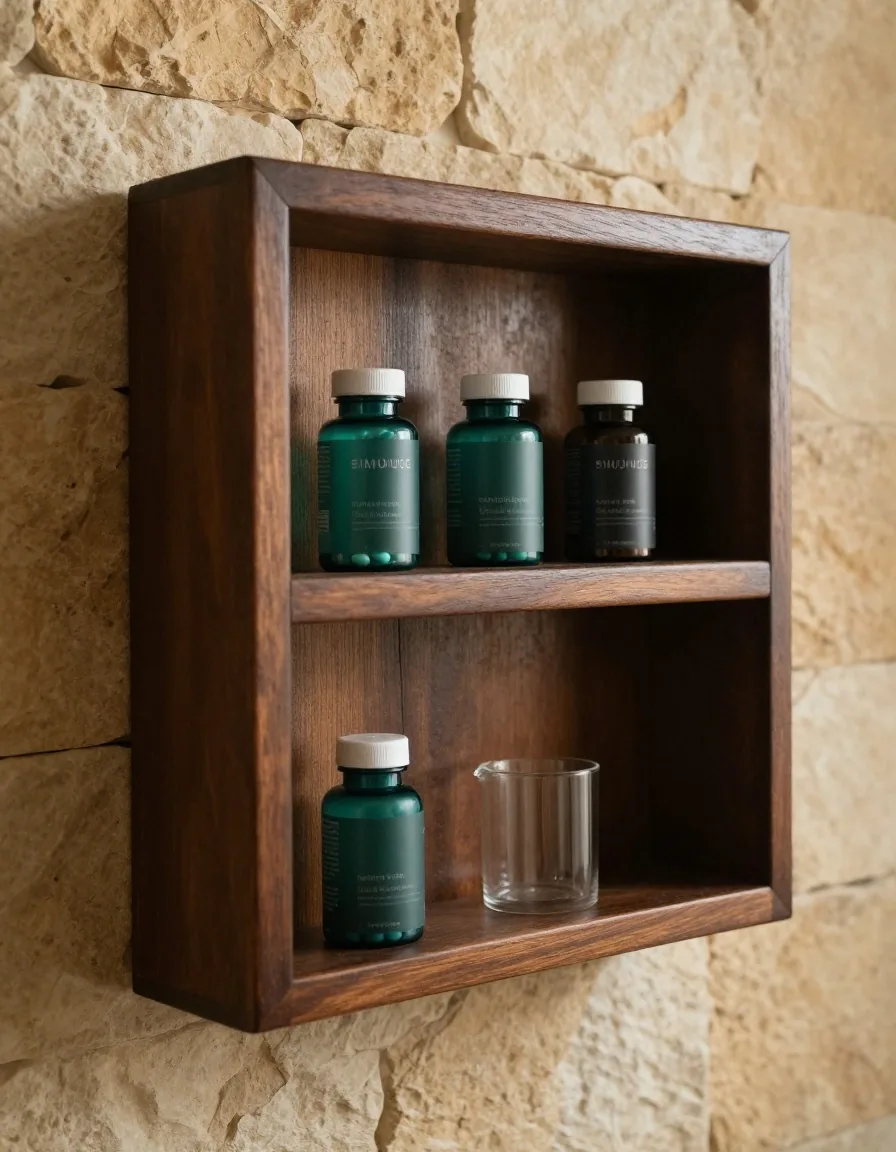
Shelf holding three unbranded supplement bottles against a stone wall
Evening shelf: a rotation works better than a pile. Three bottles you finish beat eight you abandon.

A five-minute method

How to compare two products in five minutes

Most comparison stress comes from staring at two labels without a fixed order of reading. Give the labels a sequence and the noise drops away.

  1. 1 Serving size, then servings per container. This tells you how long the pack lasts and what one dose actually is.
  2. 2 Amount per serving for each ingredient. Names without figures are decoration.
  3. 3 Format. Drops, capsules, tablets, and powders are not interchangeable in a daily routine.
  4. 4 Allergen line and storage instructions. Two lines that decide whether the product survives your kitchen.
  5. 5 Price per serving rather than pack price. That figure is the honest comparison.

If one label lists a blend without individual amounts, weigh that against a product that prints every number.

Two products can look identical on the front and differ completely at step two. That is why this catalog avoids ranking anything as the single best pick — the honest answer depends on the rest of your day. When a label makes a claim you cannot check, treat the claim as a mood rather than information, and go back to the numbers.

Dietary supplements are not a replacement for food or for advice from a qualified professional, and this page is informational only. If you take regular products of any kind or follow a managed routine, take the labels to someone qualified before you add anything new.

Our filter

What we do not list

The list here is smaller than a marketplace search on purpose. Everything that fails these three checks stays out of the catalog, however popular it looks.

See how we select products
  • Products with claims that promise a specific physical outcome. If the outcome is guaranteed on the front, the numbers on the back rarely carry it.
  • Anything marketed with before-and-after imagery. That kind of framing sells a picture, not a routine you can keep.
  • Products sold without a clear ingredient panel. If you cannot read what is inside, there is nothing to compare.

That filter removes a lot of noise. It also means the list here is smaller than what you will find in a marketplace search, which we consider a feature rather than a gap. The categories that remain are the ones men actually keep buying, finishing, and re-buying.

Before you buy

Questions men ask about this list

Why are there no prices or a checkout on this page?

This page is a comparison resource, not a shop. It gives you format, typical ingredients, and intended daily use so you can judge a label on your own terms. When you are ready to buy, take those notes to a seller you trust.

Can I take a multivitamin and a single nutrient at the same time?

That depends on the amounts, and the answer sits on the two labels rather than in a general rule. Add the per-serving figures for any nutrient that appears in both, and if the total looks high relative to what the labels describe as a serving, ask someone qualified before combining them.

Is a powder better than a capsule for the Indonesian climate?

They do different jobs. A powder mixed with water replaces fluid and minerals around activity, where a capsule handles a general daily baseline. Many men use both, and neither replaces drinking enough water across the day.

How should I store bottles in Jakarta heat and humidity?

Follow the storage line printed on the pack — it is written for a reason. As a habit, keep bottles closed, out of direct sun, and away from the damp heat of a bathroom counter. Buy sizes you can finish while the pack is still in good condition.

Do I need a routine page or a comparison page first?

If you do not yet know which format suits your day, read the daily routine page first. If you already know the format, this catalog is the faster route: pick the category, then apply the five-minute comparison above.

Still unsure which format fits your week?

Ask us a product question before you buy anything. We answer in plain language, Monday to Friday, 9:00 AM to 6:00 PM Jakarta time.