A concrete running corridor in Jakarta at first light, with an open stone foreground
Ingredients · Format · Label honesty
Our criteria

How We Choose Which Supplements to Cover

PriaAlam covers a small slice of the supplement market on purpose. This page explains the criteria we apply, so you can see what a recommendation here does and does not mean.

The short version

Every product here had to clear the same eight checks

We read labels the way a careful shopper would, then write down what we found. Nothing on this list needs a laboratory, a title, or a professional opinion — it needs a printed panel, a stated amount, and a seller you can actually find.

Amounts printed per serving Required

Every ingredient listed with a number next to it. A blend with no individual figures tells you nothing you can compare.

Format fits an ordinary day Required

A natural capsule taken once with breakfast is easy to keep up. A powder that needs a shaker at the office adds friction we describe honestly.

Recognizable ingredient role Required

Vitamin D, zinc, magnesium, B vitamins, vitamin C, and common botanicals. If we cannot describe what an ingredient is normally used for, we leave the product out.

Calm label language Required

Labels that promise a physical outcome, borrow wording from clinical settings, or lean on before-and-after imagery do not make it onto the site.

An identified seller Required

We cover items available through Indonesian pharmacies, established online sellers, and specialty stores. Stock moves around, so we never sort by it.

Cost per serving, stated Context

Pack price divided by servings per container. It is the one figure that survives brands, formats, and pack sizes — and we use it as context, not as a ranking.

Botanical detail where relevant Required

For botanical products we look for the extract ratio or the standardized amount, plus a note about who should skip it. Missing both, we pass.

A description we can write plainly Required

If we cannot explain a product in ordinary sentences without reaching for dramatic language, that product does not belong in a men's vitamin supplements guide.

Boundaries

What we do not do

Saying this out loud is what keeps the rest of the guide worth reading. A recommendation here is a reading of a printed panel, not a verdict on your health.

  • We do not run our own laboratory tests, and we do not present ourselves as an authority on safety.
  • We do not publish testimonials, scores, or ratings that suggest an outcome.
  • We do not list products without an identified seller.
  • We do not quietly rewrite a page and present it as something new. When something on this site changes, the change is described, not decorated.
Two multivitamins

How the criteria apply in practice

Take two multivitamins at similar prices on the same shelf. The difference almost never comes down to the front of the bottle.

Where a judgment call is needed, we describe it plainly so you can disagree with us and still know what we saw.

Covered

Product A — all amounts printed

  • Every amount per servingPrinted
  • Magnesium form statedYes
  • Serving sizeOne capsule
  • Seller identifiedYes

It clears the bar in about a minute of reading. That is the ordinary case, and most of the guide is built from products like it.

Not covered

Product B — listed as a blend

  • Every amount per servingBlend only
  • Magnesium form statedUnclear
  • Serving sizeTwo capsules
  • Seller identifiedYes

Nothing here suggests the second product is unsafe. We simply cannot compare what we cannot see, so we leave it out rather than guess.

Details that decide it

Three things we read before the front of the bottle

An unmarked supplement bottle on a wet slate slab in cool dawn light Serving size

One natural capsule with breakfast is a habit. Two capsules twice a day is a project. We write down which one a product asks for, and what that costs you in attention across a normal week.

A supplement bottle on a folded towel beside a glass of water at dawn Format

Capsule, powder, sachet, or tablet. We describe how the product is meant to be taken and the friction it adds, because the best product is the one you actually finish.

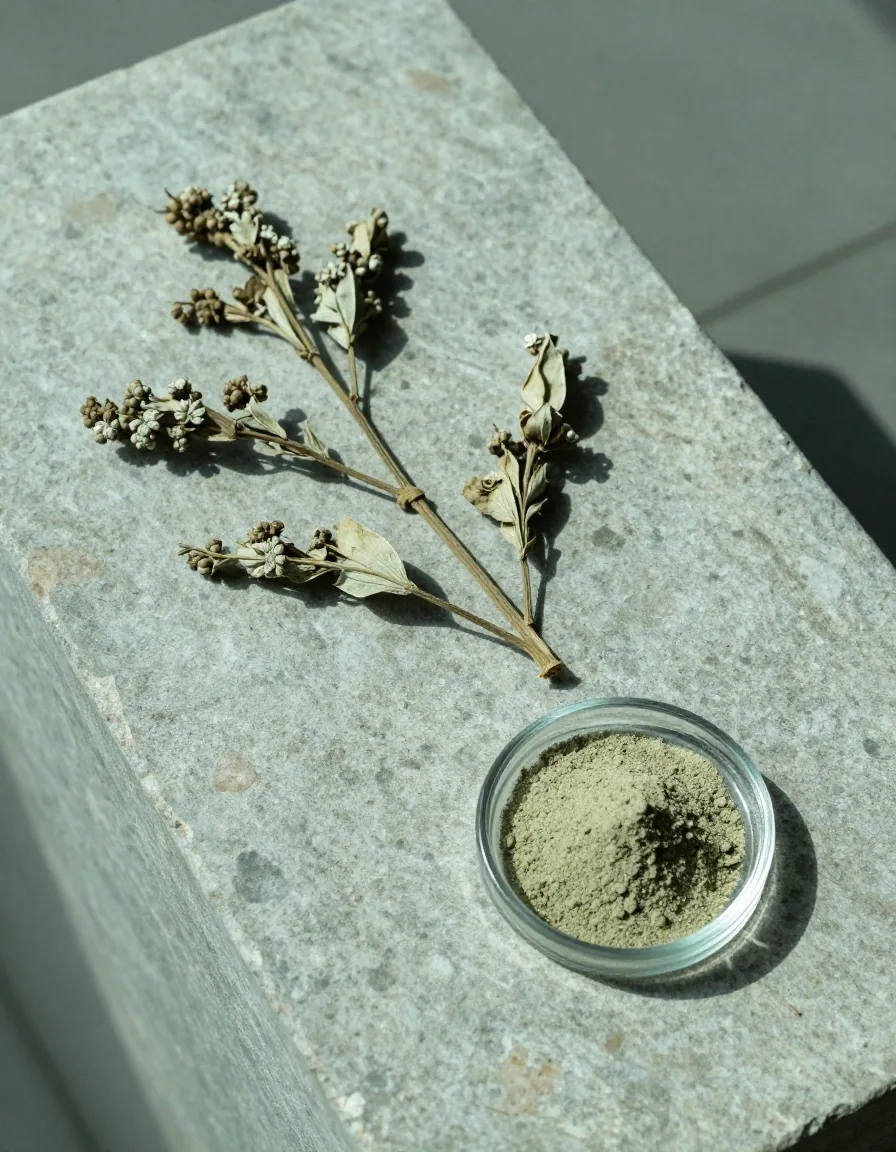
Dried botanical material and ground powder on a warm stone block Botanical detail

Extract ratio, standardized amount, plant part used, and a note on who should avoid it. When those lines are missing, we pass — even when everything else about the product looks promising.

First pass

A clear ingredient panel comes first

If a product does not print amounts per serving for each ingredient, we do not cover it.

Blends listed without individual figures are a limit, not a feature, because you cannot compare what you cannot see. A printed panel is the minimum bar, and most products clear it. The ones that do not tend to be the ones with the loudest packaging — which is its own kind of useful signal when you are standing in a shop deciding between two boxes.

We also check units. Milligrams and micrograms are not the same thing, and a panel that mixes them without labels is harder to read than it needs to be. Where a product states the form of a mineral — magnesium citrate rather than plain magnesium, for instance — we note it, because two products can list the same number and mean something different by it.

The front of the bottle is advertising. The panel on the back is the part we read.

This is the simplest rule on the page and it removes more products than any other. It also means the men's vitamin supplements you find here can be compared against each other line by line, which is the whole point of a guide.

Practicality

Format and serving size must make sense

We look at how the product is meant to be taken and whether that fits an ordinary day.

A natural capsule taken once with breakfast is easy. A powder that requires mixing and a shaker at the office is harder, though not impossible. Neither is better in the abstract — what matters is whether the routine survives a busy Wednesday, a work trip, and a week when you are not thinking about it.

We describe the format honestly, including the friction it adds, because the best product is the one you actually finish. That is why a serving size of two capsules twice a day gets written down plainly. It is not a flaw; it is a fact a reader should have before buying a full pack. Where a product is commonly sold in a smaller format first — a single capsule strip or a sachet rather than a full container — we mention it, since trying before committing is a real advantage.

Extra reading

Botanical products get a closer look

Botanical ingredients vary widely by extract method, standardization, and plant part used.

For these products we check whether the label states the extract ratio or the standardized amount. We also check for a note about who should avoid the product. If those details are missing, we pass. This bar removes a fair number of items, and it keeps the guide honest — the natural capsules for strength and vitality that survive it tend to be the ones whose makers were willing to say exactly what is inside.

We also read the ingredient list for a familiar name. Vitamin D, zinc, magnesium, B vitamins, vitamin C, and common botanicals all have a normal function that general nutrition references describe. We avoid products built around obscure compounds with no clear description, not as a judgment about research, but as a filter that keeps the guide readable and comparable. If an ingredient's purpose on the label is unclear, we leave the product out.

Tone

No dramatic promises

Products marketed with a specific physical outcome, before-and-after imagery, or language borrowed from clinical settings do not appear here.

That filter removes a lot of the market. It also means what remains is calmer and easier to compare, because the writing on the label is doing an honest job instead of shouting. If a product's own label avoids those claims, that is a signal in its favor.

The same standard applies to how we write. We describe ingredients, format, and intended daily use, and we leave expectations realistic. Supplements sit alongside sleep, food, and movement — they are one part of a routine, not a shortcut around one. A guide that says so is more useful than a guide that promises a transformation.

Where to buy

Where the product is sold

We cover products available through Indonesian pharmacies, established online sellers, and specialty stores.

Availability shifts, so we do not rank by stock. A product that is easy to find this month may be harder next month, and a guide that reorders itself around warehouse levels stops being useful. What we do note is when a product is commonly sold in a particular format — single capsules versus a sachet, for example — because that affects how easy it is to try before buying a full pack.

We also note where a product tends to sit on the shelf. Something stocked in a neighborhood pharmacy in Jakarta is a different proposition from something that only ships from overseas, and the difference matters for anyone building healthy lifestyle products into a normal week. If we cannot identify a seller inside Indonesia, the product stays out of the guide.

One number

Price per serving, not pack price

When two products look similar, the useful figure is cost per serving.

That number appears once you divide the pack price by the number of servings per container, which is printed on the label. It is the one comparison that survives across brands, formats, and pack sizes. We use it as context, not as a ranking — cheap is not the same as suitable, and expensive is not the same as better.

Two containers can carry the same shelf price and a very different cost per serving once one asks for two capsules a day and the other asks for one. That is the comparison we show, because it is the one you will actually feel across a month of daily use, and it is the reason cost per serving appears next to products in our vitamins and minerals for men coverage.


Questions readers send

Straight answers about how this guide works

Do you test the products yourself?

No. We read labels, check whether amounts and forms are stated, and confirm there is an identified seller. Everything on this page describes that reading process. If a product changes its panel, our description may no longer match it, and the label on the pack is always the version that counts.

Why is a blend listed as a reason to skip a product?

A blend gives one combined figure for several ingredients. You cannot tell how much of each one is inside, so you cannot compare it with a product that prints every amount. It is not a statement about quality — it is a statement about what a reader can check.

Does a mention here mean a product is right for me?

It does not. We cover products that meet a labeling standard, and that is a narrow claim. Your routine, your food, and your own circumstances all matter more than a printed panel. For anything personal, talk to a qualified professional who knows your situation.

Why do some products disappear from the guide?

Usually because a label changed, an amount was dropped, or a blend replaced a printed panel. Occasionally a seller stops stocking it. When that happens we describe the change rather than quietly swapping in something else, so a page you read last month still makes sense today.

Can I send you a product to look at?

Yes, and we appreciate it. Send the name and where it is sold, and we will apply the same eight checks. Product suggestions arrive through our contact page, and we read every one — though we cannot promise to cover everything that is sent.

Know a product that belongs here?

Send us the name and where it is sold. We apply the same eight checks to every suggestion, and we explain the result the same way we explained the criteria above.

Products mentioned on PriaAlam are dietary supplements, not medicines. They are intended to support an everyday routine alongside food, rest, and movement — not to replace professional advice. If you are unsure what suits you, speak with a qualified professional. Reach us at [email protected] or +62 21 5762 2005, Monday to Friday, 9:00 AM – 6:00 PM.